Aromatherapy, an age-old practice that uses essential oils to promote physical and emotional well-being, has gained significant attention in recent years. While the benefits of essential oils are often touted by wellness practitioners, the scientific community has also started to explore how these potent plant extracts can influence mood and behavior. In this article, we will delve into the science behind aromatherapy, how essential oils impact the brain, and the ways in which they can influence your mood.
What is Aromatherapy?
Aromatherapy is the practice of using essential oils, extracted from plants, to improve health and well-being. The oils are typically inhaled, diffused into the air, or applied topically. Aromatherapy is often used for its calming, uplifting, and therapeutic effects, making it popular for stress relief, relaxation, and even boosting energy.
Essential oils are potent substances that contain the aromatic compounds of plants, which have been shown to have various effects on the body and mind. When these oils are used in aromatherapy, their molecules are absorbed into the body through the skin or inhaled into the lungs, where they travel to the brain and trigger specific physiological responses.
How Essential Oils Affect the Brain
The influence of essential oils on mood and emotions is primarily mediated by the brain’s olfactory system. The olfactory system is responsible for detecting smells and processing them in the brain. When we inhale an essential oil, the aromatic molecules travel through the nasal passages to the olfactory receptors located in the nasal cavity. From there, the signals are sent directly to the brain’s limbic system, which is responsible for regulating emotions, memory, and behavior.
The Limbic System: The Emotional Center of the Brain
The limbic system is often referred to as the “emotional brain” because of its central role in controlling mood, emotions, and memory. It includes several key structures, such as the amygdala, hippocampus, and hypothalamus. Each of these structures is involved in processing emotions and regulating physiological responses to emotional stimuli.
When essential oils are inhaled, they can directly influence the limbic system, which can lead to various emotional responses. For example, certain oils may help reduce feelings of stress and anxiety, while others may promote feelings of relaxation or even boost energy. The interaction between the olfactory system and the limbic system is key to understanding how essential oils influence mood.
The Science Behind Mood-Boosting Essential Oils
Research has shown that specific essential oils can have a noticeable impact on mood and emotional well-being. Different oils produce different effects, and their mood-boosting properties can be linked to the chemical compounds they contain. Here are a few examples of essential oils that have been scientifically proven to affect mood:
Lavender: Calming and Relaxing
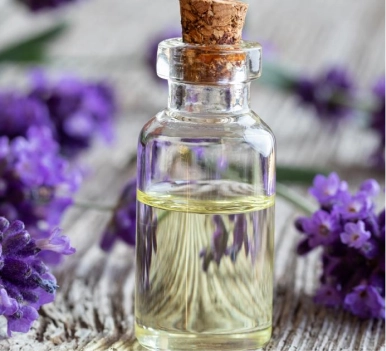
Lavender oil is one of the most popular essential oils used in aromatherapy. It is known for its calming properties and is often used to promote relaxation and reduce anxiety. Studies have shown that inhaling lavender oil can lower heart rate and blood pressure, signaling a state of relaxation. Lavender has also been shown to reduce levels of cortisol, the hormone associated with stress.
Peppermint: Energizing and Invigorating
Peppermint oil is widely used for its energizing effects. It has been shown to improve alertness, reduce fatigue, and enhance focus. One study found that participants who inhaled peppermint oil performed better on cognitive tasks and reported feeling more energized. This stimulating effect is believed to be due to the menthol compound in peppermint, which activates certain receptors in the brain that promote increased mental clarity.
Citrus Oils (Lemon, Orange, Grapefruit): Uplifting and Mood-Enhancing
Citrus oils, such as lemon, orange, and grapefruit, are known for their uplifting and mood-enhancing effects. These oils contain compounds like limonene, which has been shown to promote feelings of happiness and reduce feelings of anxiety and depression. Research has suggested that citrus oils can help balance neurotransmitters like serotonin and dopamine, which are key players in regulating mood.
Bergamot: Stress-Relieving and Anxiety-Reducing
Bergamot oil, derived from a citrus fruit, is often used for its mood-lifting and anxiety-reducing properties. Several studies have demonstrated that bergamot oil can significantly reduce symptoms of anxiety and stress. One study found that participants who inhaled bergamot oil reported a significant reduction in anxiety levels and improved overall mood.
Ylang-Ylang: Relaxing and Emotional Balancing
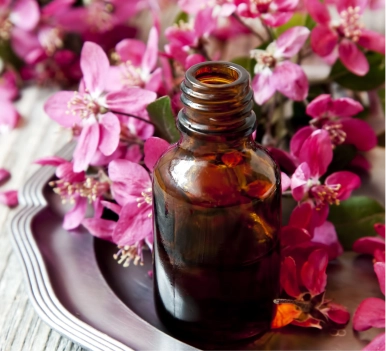
Ylang-ylang essential oil, known for its sweet floral scent, is used for its emotional balancing and calming effects. Research has shown that ylang-ylang oil can reduce symptoms of depression and anxiety while promoting relaxation. Ylang-ylang is often included in aromatherapy blends aimed at reducing emotional stress and promoting feelings of joy and tranquility.
How to Use Essential Oils for Mood Enhancement
There are several ways to incorporate essential oils into your routine to benefit from their mood-enhancing properties. Here are some popular methods:
1. Diffusing Essential Oils
Using an essential oil diffuser is one of the most common ways to experience the benefits of aromatherapy. Diffusers release a fine mist of essential oils into the air, which can be inhaled throughout the day. To promote relaxation, you might diffuse lavender or chamomile, while citrus oils like lemon and orange are great for an energizing boost.
2. Inhalation
Inhaling essential oils directly from the bottle or using an inhaler is another effective method. Simply take a deep breath and inhale the scent of your chosen essential oil for a few moments. This method works quickly to trigger a response in the brain, making it ideal for fast relief from stress or anxiety.
3. Topical Application
Some essential oils can be applied directly to the skin, often diluted with a carrier oil to prevent irritation. Lavender, peppermint, and eucalyptus oils are commonly used in massage oils or skin-care products. Applying these oils to pulse points (such as the wrists or temples) can help alleviate stress and promote relaxation.
4. Bathing with Essential Oils
Adding a few drops of essential oil to a warm bath can provide a soothing and rejuvenating experience. Lavender and chamomile are particularly calming oils for bath time, while citrus oils can refresh and invigorate. The combination of warm water and essential oils can enhance the mood-boosting effects.
The Therapeutic Benefits of Aromatherapy
While the primary focus of aromatherapy is its impact on mood, it also offers a wide range of therapeutic benefits. Here are some additional advantages of using essential oils:
Stress Relief
Aromatherapy is widely recognized for its ability to reduce stress and promote relaxation. Oils like lavender, chamomile, and frankincense can help lower cortisol levels and calm the nervous system, making them ideal for stress management.
Improved Sleep
Certain essential oils, particularly lavender and chamomile, are known for their sleep-promoting properties. These oils can help calm the mind and create a peaceful atmosphere, making it easier to fall asleep and stay asleep throughout the night.
Anxiety and Depression Management
Aromatherapy has been shown to have a positive impact on symptoms of anxiety and depression. Essential oils like bergamot, ylang-ylang, and rose can reduce feelings of nervousness and sadness, promoting a more balanced and uplifting mood.
Conclusion: The Power of Scent
The science behind aromatherapy reveals the profound effect that essential oils can have on our mood and emotional well-being. By influencing the brain’s limbic system, these oils can promote relaxation, reduce stress, and even enhance energy levels. Whether you prefer to diffuse your favorite oil, inhale it directly, or apply it topically, aromatherapy offers a natural and effective way to enhance your mood and overall quality of life.